Thermal Processing
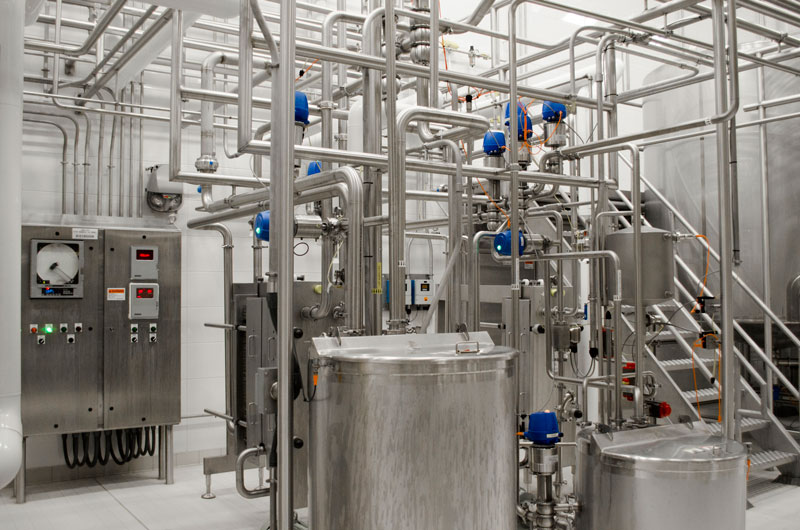
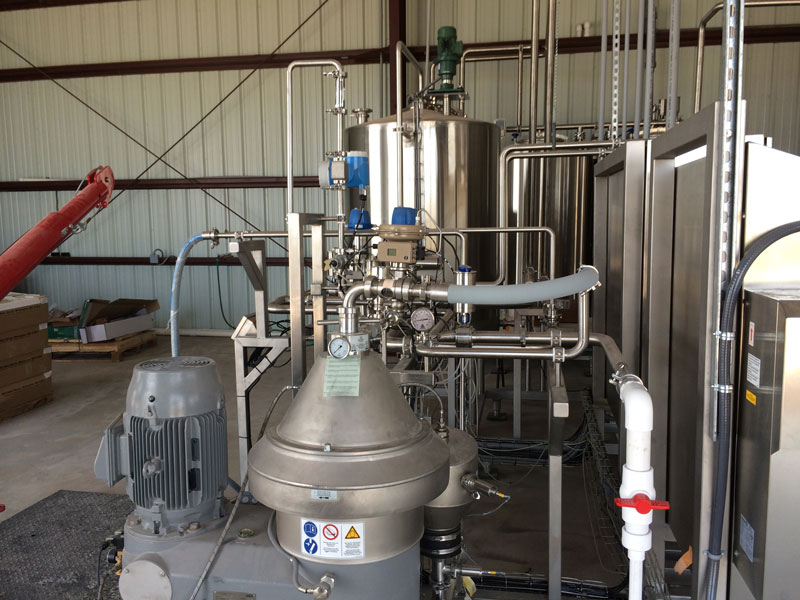
Thermal processing systems play a critical role in ensuring food safety, product stability, and shelf-life performance in beverage, condiment, and prepared food manufacturing. From pasteurization of beverages to the thermal processing of sauces, salad dressings, and soups, these systems must deliver precise time–temperature control while preserving product quality, flavor, and texture.
Our consulting services support manufacturers in the evaluation, design, optimization, and validation of thermal processing systems for a wide range of products and packaging formats. We apply process engineering principles, regulatory knowledge, and practical operating experience to develop thermal solutions that are effective, compliant, and aligned with production and quality objectives.
Thermal Process Design and Technology Selection
We assist clients in selecting and designing thermal processing technologies appropriate for their products and distribution requirements. For beverages such as soft drinks, ready-to-drink teas, and cold-brew coffee, this may include high-temperature short-time (HTST) pasteurization, ultra-high temperature (UHT) processing, or tunnel pasteurization, depending on formulation, packaging, and shelf-life targets.
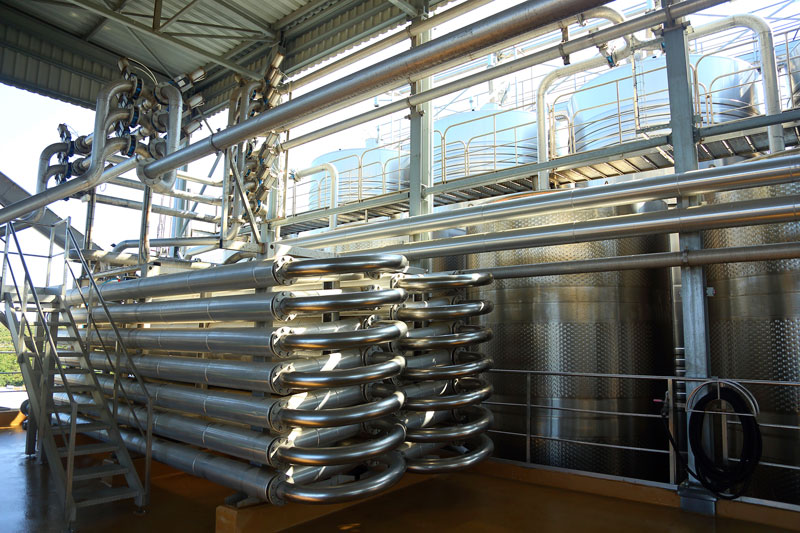
For sauces, salad dressings, and soups, we evaluate and design systems such as tubular, plate, or scraped-surface heat exchangers to accommodate higher viscosities, emulsions, and particulate content. In soup manufacturing, special attention is given to particulate size, heat penetration, and uniformity to ensure both safety and product integrity.
Soup Manufacturing and Particulate Processing
Soup manufacturing presents unique thermal processing challenges due to the presence of particulates such as vegetables, grains, pasta, and proteins. We design thermal systems that provide adequate lethality for both liquid and solid components while minimizing overprocessing. Technologies may include tubular systems with appropriate diameter and velocity control, scraped-surface heat exchangers for viscous bases, and agitation or mixing strategies to promote uniform heating.
We also support batch and continuous soup processes, including kettle systems, continuous cookers, and aseptic processing lines, with consideration for downstream filling, packaging, and cooling requirements.
Process Optimization and Product Quality Protection
Thermal processes must balance microbial safety with preservation of sensory attributes. We evaluate existing systems to identify opportunities to reduce thermal load, improve heat transfer efficiency, and enhance temperature control. For beverages and coffee products, this may involve minimizing flavor degradation, color changes, or cooked notes. For sauces, dressings, and soups, optimization focuses on maintaining viscosity, emulsion stability, particulate integrity, and fresh-like appearance.
Automation, Controls, and Process Validation
We support the design and implementation of control systems that ensure reliable and repeatable thermal processing. This includes temperature monitoring, flow control, holding tube verification, and integration with plant automation and quality systems. We assist with thermal process validation activities, including development of process authority documentation, time–temperature calculations, and support for regulatory compliance with FDA, USDA (where applicable), and customer requirements.
Hygienic Design and Cleanability
Thermal processing systems must be designed for hygienic operation and compatibility with CIP processes. We evaluate heat exchangers, piping, valves, and instrumentation for cleanability, especially in applications involving high-fat products, coffee oils, viscous sauces, and soup bases with starches or proteins. Proper hygienic design reduces fouling, improves uptime, and supports consistent thermal performance.
Integration with Upstream and Downstream Operations
Effective thermal processing requires seamless integration with formulation, filling, packaging, and cooling systems. We assess system interfaces to ensure stable flow, proper residence times, and coordinated control strategies. This holistic approach is particularly important for aseptic beverage and soup lines, high-speed sauce filling operations, and multi-SKU facilities with frequent changeovers.